
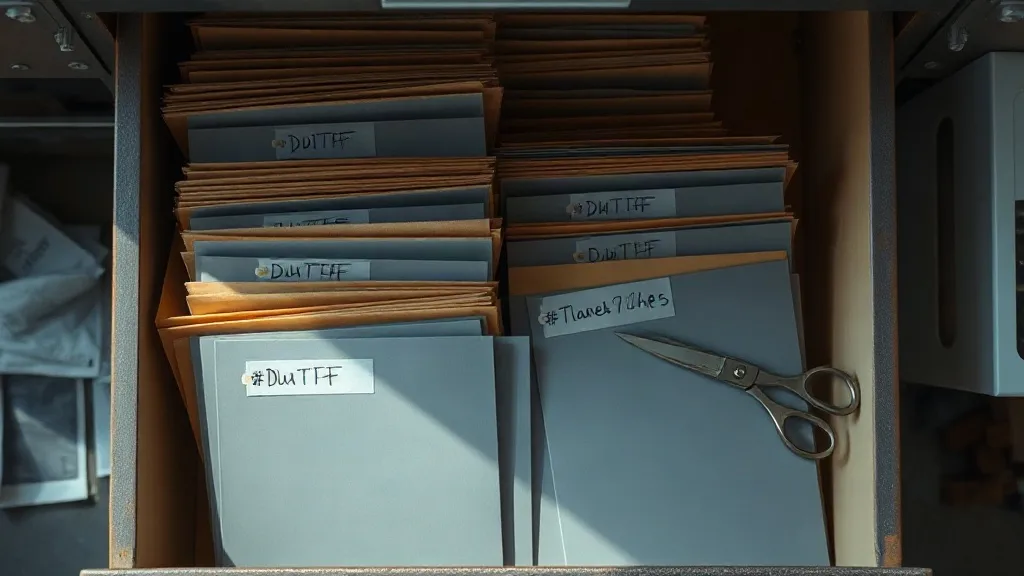
Walk into most print shops and you can tell within thirty seconds where the owner's attention goes. The press is spotless, the heat platen is calibrated, the ink bottles are labeled. Then you open the flat file drawer and find a stack of dtf transfers curled at the corners, half of them from a job that shipped in March, none of them labeled with a date. That drawer is where margins go to die, and almost nobody talks about it.
This isn't a guide about temperature settings or powder application. Plenty of those exist. This is about the unglamorous operational layer that separates a shop that scales smoothly from one that keeps reprinting the same order because a transfer got crushed, misfiled, or simply lost track of. If you press dtf film daily, the way you manage the physical and digital inventory around it matters as much as your press technique.
Why DTF Inventory Is Harder Than It Looks
Screen printed plastisol sits on a shelf for years. Cut vinyl is forgiving. DTF transfers are a different animal because they're a finished, cured product the moment they come off the shaker. The adhesive powder has already melted, the ink film is set, and from that point forward the clock is running on how well the material survives handling, humidity, and stacking pressure.
That creates a few specific problems that catch shops off guard:
- They're thin and light. A stack of transfers looks harmless, but weight compounds. Put forty sheets in one spot and the bottom ones start to pick up texture from the film above them.
- They're static-prone. PET film loves to cling, which means sheets slide, stick together, and get creased when someone flips through them in a hurry.
- They're invisible in a job ticket. Once a transfer leaves the printer, it exists as a physical object with no barcode unless you create one. Your software knows a job shipped. It doesn't know you have three leftover sheets sitting in a drawer.
None of these are dramatic failures. They're slow leaks, and slow leaks are what make a shop feel busy without feeling profitable.
Storage That Actually Protects the Film
The single best upgrade most small shops can make costs less than a decent squeegee: a set of flat, shallow archival boxes or a proper flat file, kept in a cool, dry spot away from the press. Heat and humidity are the two things that degrade the powder adhesive and cause transfers to curl or lose tack.
Flat, Dark, and Dry Beats Everything Else
Hanging transfers on a pegboard looks organized and destroys them. Rolling them is worse. Store them flat, keep them out of direct sunlight, and avoid stacking more than about twenty to thirty sheets in a single pile. If you're tight on space, shallow trays stacked in a rack work far better than deep bins.
Separate Sheets With Something
A sheet of clean kraft paper or a thin silicone release liner between groups of transfers prevents the film from bonding to itself under pressure. This matters most in summer, when a shop without air conditioning can hit conditions that make stacked PET film behave unpredictably.
Label Everything at the Moment of Printing
Job number, customer, date printed, quantity, and design name. Write it on the backing or on the interleaving sheet, not on a sticky note that falls off. A transfer with no date is a transfer you'll eventually throw away because you can't trust it.
The Shelf Life Question Nobody Answers Directly
You'll see confident numbers thrown around online, and most of them come from suppliers with an interest in you reordering. The honest answer is that shelf life depends heavily on storage conditions and film quality. Transfers kept flat, dry, and cool in a closed box hold up far longer than the same transfers left in an open tray near a press.
What matters practically is this: rotate your stock. First in, first out. If you're printing transfers for a recurring client and you have older sheets from a previous run, use those first rather than printing fresh ones. A simple rule of thumb for a working shop is to review any transfer older than a few months before committing it to a paid order, and to press a test piece if there's any doubt. A ten-second test press costs nothing. A reprint after a customer complaint costs a lot more.
Tracking Leftovers Without Buying Software
Every shop has leftover transfers. A client orders fifty pieces, you print a gang sheet with a couple of spares for safety, and three sheets come back into inventory. Multiply that across a month and you have a real asset sitting in a drawer, or a real liability if nobody knows it's there.
A workable system doesn't need to be fancy:
- Give every leftover a home. One labeled box per active client or per recurring design. Not a general miscellaneous drawer.
- Log it in a simple sheet. Design name, quantity, date, and where it's stored. A shared spreadsheet is fine. The point is that anyone on the team can find it.
- Pull from leftovers before printing. When a repeat order comes in, check the log first. This is where the savings actually show up.
- Retire stock on a schedule. Once a quarter, pull anything that's been sitting untouched and either test it or discard it. Dead inventory in a drawer is a decision you're avoiding.
Shops that do this consistently find that their effective cost per shirt drops without any change to their supplier pricing, simply because they stop reprinting what they already have.
When Clients Ask About Local Pickup
If you serve a local market, you'll get the question regularly: someone wants a small run fast and searches for dtf transfers near me expecting same-day turnaround. Being able to answer that honestly is a competitive advantage. If you keep a modest stock of common blanks and can press on demand, you can serve those customers well. If you're ordering transfers in, say so clearly and quote a realistic timeline.
The trap is promising speed you can't deliver because your inventory system doesn't tell you what you actually have on hand. A shop that knows its stock can make confident promises. A shop that guesses ends up apologizing.
Matching Ordering to Real Demand
Once you track leftovers, a pattern emerges: certain designs and sizes get reprinted constantly while others sit. That data should feed directly into how you order. Instead of ordering based on gut feel or a supplier's minimum, you order based on actual consumption.
For shops doing gang sheet work, this is where the operational discipline pays off most. Knowing your true consumption rate lets you build sheets that are sized to real demand rather than padded with guesses. It also tells you which clients are worth keeping a standing stock for and which are one-off jobs that shouldn't occupy shelf space.
A Quick Note on Handling and Press Day
Inventory discipline collapses on busy days if handling isn't habitual. A few small habits protect the stock you've carefully organized:
- Handle transfers by the edges. Oils from fingers don't help adhesion and they show up on light garments.
- Keep the press area clear of loose sheets. A transfer that falls face-down on a dusty floor is finished.
- Trim and re-box partial sheets immediately after a job, not at the end of the week.
- Keep a small test press station so questionable stock can be verified in seconds rather than discovered on a customer's shirt.
Frequently Asked Questions
How long can I store DTF transfers before they go bad?
There's no universal number, and anyone quoting one confidently is guessing. In practice, transfers stored flat, dry, and away from heat hold up well for many months. The reliable test is a quick press on scrap fabric. If the transfer releases cleanly and the colors look right, it's good to use.
Can I stack transfers in a drawer if I'm short on space?
You can, but keep piles shallow and put a sheet of kraft paper or release liner between groups. Deep piles put weight on the bottom sheets and can cause the film to pick up texture or stick together, especially in warm rooms.
What should I do with leftover transfers from a completed order?
Label them with the design name, date, quantity, and storage location, then log them somewhere the whole team can see. Before printing a repeat order, check the log first. Leftovers you can find are money already spent.
Do I need special software to track DTF inventory?
No. A shared spreadsheet with columns for design, quantity, date, and location solves the problem for most small and mid-size shops. Software helps at higher volume, but the discipline of logging and checking matters far more than the tool.
Why do my transfers curl at the edges after a few weeks?
Usually humidity or heat, sometimes pressure from stacking. Move them to a cooler, drier spot, store them flat, and separate sheets with interleaving paper. If the curl is severe, test press one before using it on a customer order.