
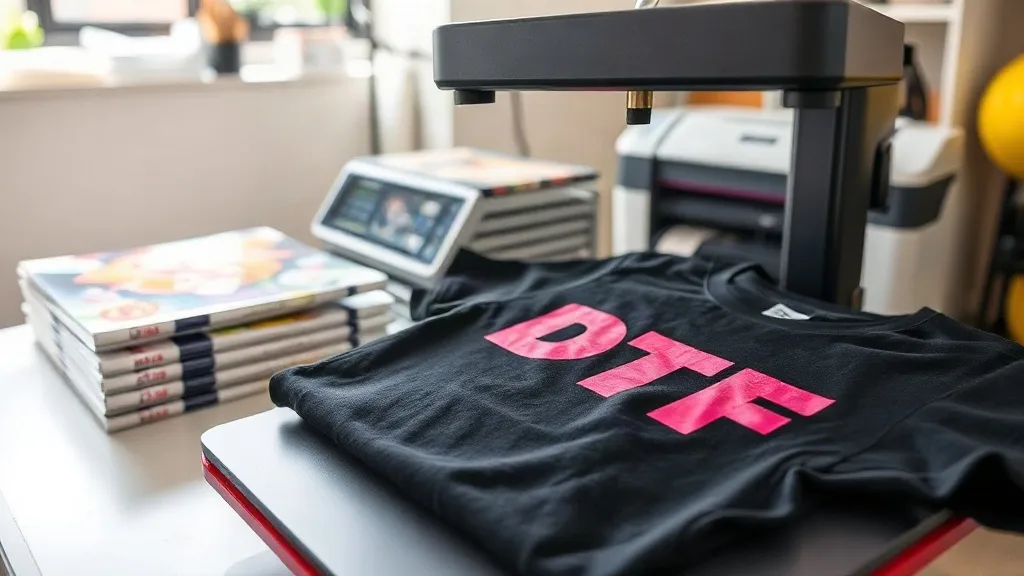
Custom apparel has never been more accessible, thanks to innovative printing technologies that bring professional-quality results to small businesses and hobbyists alike. Among these, dtf transfers have emerged as a game-changer, offering vibrant colors, durability, and versatility on a wide range of fabrics. Whether you're running a print-on-demand shop or simply want to personalize gifts, understanding DTF technology can open up a world of creative possibilities.
What Are DTF Transfers?
DTF stands for Direct-to-Film, a printing method where designs are printed onto a special film and then transferred to fabric using heat and pressure. Unlike other methods that require specific fabric types, dtf transfers work on almost any material, including cotton, polyester, blends, and even some synthetics. This flexibility makes them a favorite for custom t-shirts, hoodies, tote bags, and more.
How DTF Transfers Work
The DTF process involves several steps, each crucial to achieving a high-quality, long-lasting print.
1. Design Preparation
Your design is first prepared digitally. It's important to ensure the file is high-resolution and has a transparent background for the best results. The design is then printed onto a DTF film using specialized printers that apply a layer of white ink followed by color inks.
2. Powder Application
After printing, a hot-melt adhesive powder is applied to the wet ink. This powder will later bond the design to the fabric. Excess powder is shaken off, and the film is cured using a heat source to melt the powder into the ink.
3. Transfer to Fabric
The cured film is then placed on the fabric and pressed with a heat press at a specific temperature and pressure for a set time. Once cooled, the film is peeled away, leaving the design permanently bonded to the fabric.
Why Choose DTF Transfers?
There are several reasons why DTF transfers have become so popular among crafters and professionals.
- Versatility: Works on almost any fabric, including dark and light colors, without the need for pre-treatment.
- Durability: The prints are highly resistant to washing, cracking, and fading, ensuring long-lasting wear.
- Vibrant Colors: DTF can produce bright, detailed designs with a wide color gamut.
- Cost-Effective: No need for expensive setup or minimum orders, making it ideal for small batches and one-offs.
- Eco-Friendly: Compared to other methods, DTF generates less waste and uses water-based inks.
Applications of DTF Transfers
From personal projects to commercial production, DTF transfers are used in various applications.
Custom Apparel
Create personalized t-shirts, hoodies, and hats for events, teams, or brands. The ability to print full-color designs on any fabric color makes DTF a top choice for custom clothing.
Accessories and Home Goods
Decorate tote bags, aprons, pillowcases, and more. DTF transfers adhere well to these items, adding a professional touch to handmade products.
Small Business and Promotional Items
Small businesses can produce branded merchandise in small quantities without high costs. Promotional items like company logos on uniforms or giveaways become easy and affordable.
Getting Started with DTF Transfers
To begin using DTF transfers, you'll need a few essentials:
- DTF Printer: A dedicated DTF printer with white ink capability.
- DTF Film: Special film designed for DTF printing.
- Hot-Melt Powder: Adhesive powder for bonding.
- Heat Press: For transferring the design onto fabric.
- Design Software: To create and prepare your artwork.
Many suppliers offer starter kits that include everything you need. Alternatively, you can purchase pre-printed DTF transfers from companies like dtf transfers if you prefer not to invest in equipment initially.
Tips for Successful DTF Transfers
- Choose the Right Film: Use film compatible with your printer and fabric.
- Preheat the Fabric: This removes moisture and wrinkles for better adhesion.
- Follow Temperature Guidelines: Each film and powder has specific temperature and time settings.
- Peel Cool: Wait for the transfer to cool completely before peeling for a smooth finish.
- Wash Inside Out: To prolong the life of the print, wash garments inside out in cold water.
Frequently Asked Questions
What fabrics work best with DTF transfers?
DTF transfers work on a wide range of fabrics, including cotton, polyester, blends, and even some nylons. They are particularly effective on dark colors where other methods might struggle.
How durable are DTF prints?
When applied correctly, DTF prints are highly durable and can withstand multiple washes without fading or cracking. They are considered one of the most long-lasting decoration methods.
Can I use DTF transfers on items other than t-shirts?
Absolutely! DTF transfers can be applied to hoodies, tote bags, aprons, pillowcases, and many other fabric items. Just ensure the material can withstand the heat press temperature.
Do I need a special printer for DTF?
Yes, a DTF printer requires white ink and a specific setup. However, if you don't want to invest in equipment, you can buy pre-printed transfers from suppliers.
How do I care for DTF-printed garments?
Wash inside out in cold water, avoid bleach, and tumble dry on low or hang dry. Following these care instructions will keep your prints looking new for longer.