
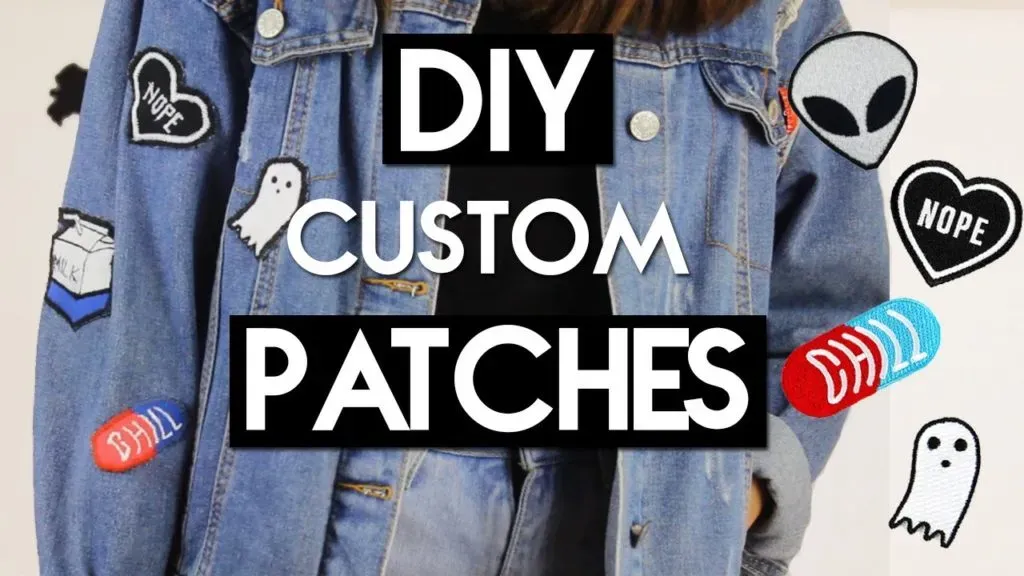
DIY custom patches offer a fun and creative way to personalize jackets, bags, and hats. If you're curious about how to make patches at home, this guide covers practical steps from concept to finish. This guide blends an embroidered patches tutorial with iron-on patches instructions and patch sewing tips so you can choose what fits your project. You'll learn about selecting fabrics, backing, and finishing techniques to ensure durability through washing and daily wear. By the end, you'll feel confident translating your ideas into patches that reflect your style.
Viewed from another angle, this hobby can be described as designing custom fabric badges for clothing, bags, and accessories. In this framing, terms like fabric badges, textile emblems, and decorative patches capture the same idea with an emphasis on aesthetics and practicality. You'll still prepare a sturdy backing, outline your design, and choose a finishing method—whether you sew, iron on, or apply a stitched edge. By thinking in terms of motifs, textures, and contrast, you’ll appreciate how color choices affect visibility on different garments. This LSI-friendly view helps search engines connect related topics like patch design, fabric crafts, and home embroidery to your content.
DIY custom patches at home: a complete beginner's guide
DIY custom patches at home let you tailor clothing, bags, hats, and gear with artwork that’s truly yours. Whether you want to cheer for a team, celebrate a hobby, or simply add a personal touch, making patches at home gives you control over design, materials, and finish. Throughout this guide you’ll explore embroidery, iron-on, and sew-on options so you can choose the method that fits your skills and your project. The aim is to empower you with practical steps for designing, transferring, and finishing patches that hold up to washing and everyday wear.
If you’re wondering how to get started, think of three core steps: concept and size, fabric and backing, and method of application. By focusing on these areas you’ll begin to see how to make patches at home come together smoothly. You’ll also pick up some patch sewing tips along the way to help you achieve clean edges, crisp stitches, and durable finishes.
How to make patches at home: design, fabrics, and backing choices
Design is the heart of any patch. Start with a simple silhouette or monogram and then experiment with color contrast to ensure visibility on the garment you plan to decorate. When exploring how to make patches at home, consider fabric choices—felt, canvas, denim, or sturdy cotton all work well—paired with a backing that supports the chosen method. Selecting the right backing from the outset helps keep stitches crisp and reduces fraying during wear.
Backing choices are crucial for durability. Tear-away stabilizers are common for embroidery, fusible web backing works well for iron-ons, and stitchable felt can serve as a ready-made patch base for sew-on projects. By aligning fabric type with the appropriate stabilizer or backing, you’ll set up a smoother workflow and better results, which is a cornerstone of effective patch sewing tips.
Embroidered patches tutorial: design, transfer, and stitch finishes
Embroidered patches tutorial emphasizes planning and precision. Start with a clean concept, then transfer the design to your patch face using transfer paper or a light tracing method. Pulling threads through fabric with an embroidery hoop keeps the tension even and helps your satin stitches or running stitches sit evenly. Whether you’re using a home embroidery machine or hand-stitching, a stable foundation is essential for consistent results.
Edge finishes matter as much as the fill. A dense satin stitch or a secure blanket stitch around the border provides durability and a polished look. After stitching, remove the stabilizer carefully and press from the back with a warm iron to set the finish. With practice, your embroidered patches become crisper and more professional, reinforcing the idea that great patches start with solid preparation and clean execution.
Iron-on patches instructions: quick application and care
Iron-on patches instructions describe a fast, chemical-free way to apply patches to many fabrics. The patch has a heat-activated adhesive backing that bonds when pressed with a hot iron. Begin by trimming the patch to shape, placing it on the garment, and shielding it with parchment paper or a pressing sheet before applying steady, even heat. For larger patches, press in sections to ensure a full, uniform bond.
A few practical tips help ensure success. Always test on scrap fabric first to confirm adhesion and heat settings, and avoid washing the garment too soon to let the adhesive cure. Some fabrics benefit from a fusible web backing for extra hold, particularly lightweight or stretch fabrics. By following these iron-on patches instructions, you can achieve a durable finish with minimal effort.
Sew-on patches: durable stitching, edge finishes, and patch sewing tips
Sew-on patches offer long-lasting durability for activewear or items that are frequently washed. To create sew-on patches at home, cut your patch face and choose a backing suitable for stitching. A zigzag edge around the perimeter helps prevent fraying, while a running stitch or backstitch along the outer edge reinforces the border for a neat, secure finish.
Attaching sew-on patches requires careful positioning and steady hands. Pin the patch in place, then sew close to the edge with a thread color that blends with the patch or one that creates a visible outline for effect. For added strength on larger patches, run a secondary stitch across the surface in a simple pattern to mimic quilting. These patch sewing tips can dramatically improve durability and appearance after multiple washes.
Careful finishing and maintenance for long-lasting patches
Backing choice and edge finishing influence how patches wear over time. Tear-away stabilizers, fusible backing, or stitchable felt each offer different benefits for embroidery, iron-ons, and sew-ons. A neat, finished edge—whether with satin, overcast, or a decorative stitch—helps prevent fraying and enhances the professional look of your patches.
Ongoing care keeps patches looking fresh. Turn garments inside out before washing, use gentle cycles, and avoid high heat in the dryer. For embroidered patches, scrub lightly and re-press if needed, and re-stitch any edges that begin to lift after several washes. With proper care, patches made at home retain color, shape, and adhesion, letting your handmade designs stay vibrant for years.
Frequently Asked Questions
DIY custom patches at home: what materials and tools do I need to get started?
For DIY custom patches at home, you’ll typically need fabric or felt for the patch face, stabilizer, embroidery floss or sewing thread, needles or a sewing machine, scissors, a cutting mat, and an iron or sewing machine. Optional heat-activated backing can simplify application. Create a clean, well-lit workspace and choose your patch shape before you begin.
How to make patches at home: what are the main methods and how do they differ?
The main methods are embroidery, iron-on, and sew-on patches. Embroidered patches yield a durable, textured finish and require stabilizers and a hoop or machine; iron-on patches use a heat-activated adhesive backing and a pressing cloth; sew-on patches rely on stitching around the edge for ultimate durability. Select backing and edge finishes based on fabric type and wear.
Embroidered patches tutorial: what are the essential steps from design to finished edge?
Start with a simple design and transfer it to fabric, then secure with a stabilizer. Stitch with backstitch or satin stitch, using a hoop for even tension. Finish with a neat edge such as a dense satin stitch, remove the stabilizer after stitching, and gently press from the back to set the embroidery.
Iron-on patches instructions: how do you apply patches safely and effectively?
Cut the patch to shape, position it on the fabric, and cover with parchment paper or a pressing sheet. Set the iron to high heat (no steam), press firmly for 15–30 seconds with steady pressure, and allow the patch to cool before handling. Test on a scrap first, use a protective cloth, and wait about 24 hours before washing to cure the adhesive.
Patch sewing tips: how can you sew patches for durability and neat edges?
Pin the patch in place and sew around the edge with a tight running stitch or a decorative stitch. A zigzag stitch around the border helps prevent fraying, and a second pass with a finishing stitch improves durability. Use thread that blends with the patch, sew close to the edge, and check the patch after initial washes.
Backing options for DIY custom patches at home: which backing suits embroidery, iron-on, or sew-on, and how should you care for finished patches?
For embroidery, tear-away or cut-away stabilizers provide body and stability. For iron-on patches, use a fusible backing or heat-activated adhesive, possibly with a light edge stitch for security. Sew-on patches don’t require adhesive backing but benefit from a neat zigzag around the edge. After application, wash gently, avoid high heat, and re-secure edges if needed.
| Topic | Key Points |
|---|---|
| Overview | DIY custom patches are a popular way to personalize clothing and gear; you control design, materials, and finish; covers embroidery, iron-on, and sew-on methods; step-by-step guidance included. |
| Core Idea | Flexible options for colors, textures, and sizes; beginner-friendly with potential for a professional-looking finish. |
| Common Materials | Patch face fabric or felt, backing stabilizer, embroidery floss or sewing thread, needles or sewing/machine, scissors, iron or sewing equipment, optional heat-activated adhesive backing. |
| Methods | Embroidery (hand or machine), Iron-on (heat-activated adhesive), Sew-on (stitches around edge). |
| Design Tips | Monograms, logos, nature motifs, quotes; start with simple shapes; consider garment color and durability; transfer designs for embroidery. |
| Workflow | Concept → decide patch size/shape → prep fabric/interfacing → execute chosen method. |
| Backing & Finishing | Backing options like tear-away stabilizer (embroidery), fusible web (iron-ons), or stitchable felt; edge finishing with satin/overcast stitches. |
| Troubleshooting | Common issues: warping, fraying, adhesion gaps; fix with stabilizers, robust edge finishes, and testing heat/adhesion on scraps. |
| Care & Maintenance | Wash gently, air-dry; avoid high heat; inspect edges after washes and re-press or resew if needed. |
Summary
HTML table illustrating key points about DIY custom patches and a descriptive conclusion follows.