
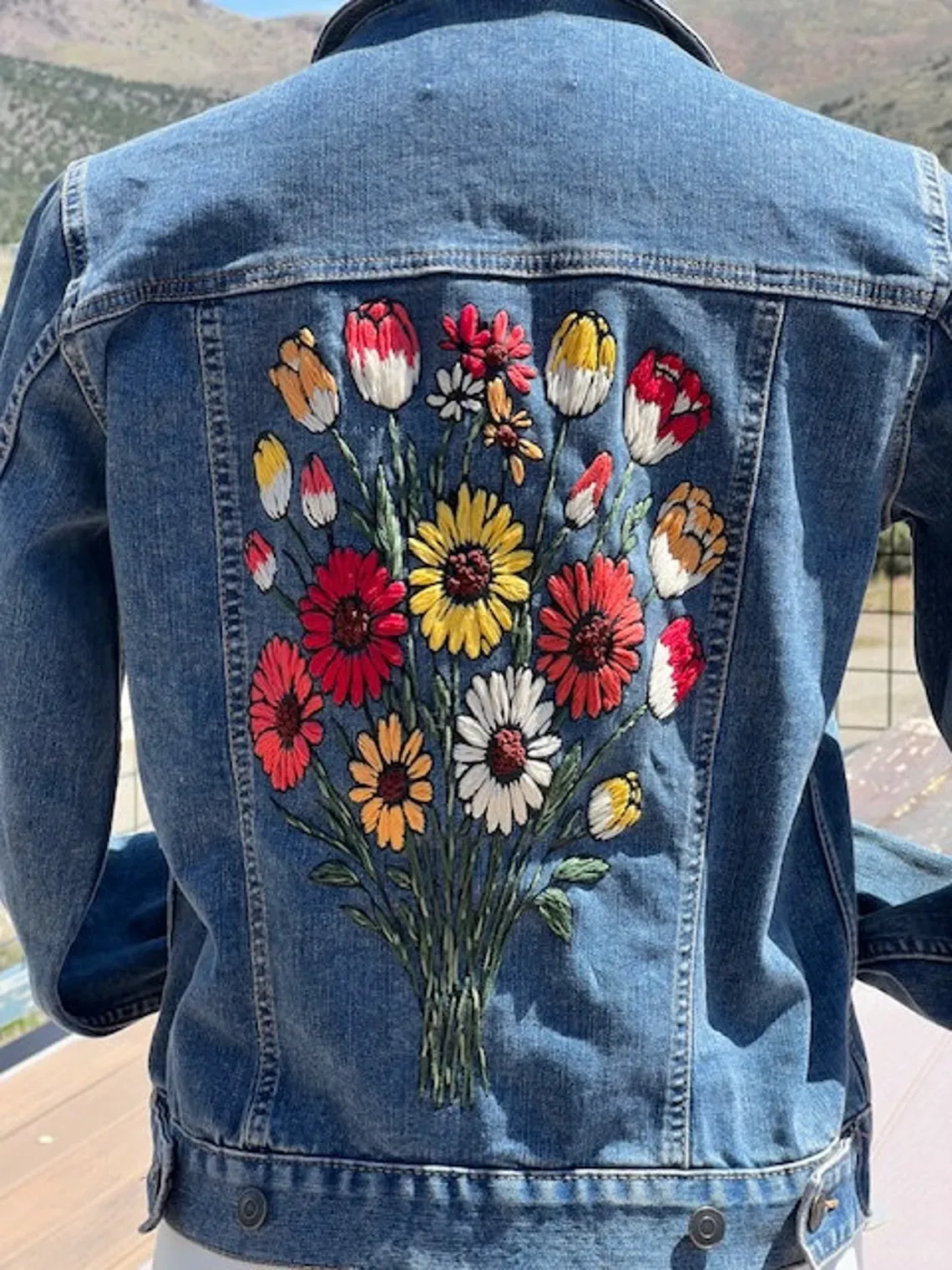
If you’ve ever wanted to give your denim a personal touch, crafting custom embroidered denim is a fantastic way to stand out in a crowded closet and express your unique style. From jeans to jackets and denim skirts, denim embroidery ideas span floral motifs, geometric patches, initials, wildlife silhouettes, and abstract patterns, and you can bring them to life by hand or machine, depending on your pace and available gear. This guide explains both how to embroider denim and the steps for machine embroidery denim, helping you decide between DIY denim embroidery projects and a finish that lasts through daily wear and repeated washing. Whether you prefer hand embroidery on denim or the speed and consistency of machine stitches, you'll learn design selection, fabric prep, motif transfer, hooping or stabilizing, and stitches that hold their shape over time. Start with simple motifs, build confidence with small practice pieces, and gradually turn plain denim into wearable art that reflects your personal taste while staying durable for years.
If you’re exploring personalized jean decoration, the same idea can be described as denim embellishment or stitched fabric art that adds character without bulk. By focusing on synonyms such as personalized denim stitching, garment embroidery on jeans, or decorative sewing on denim, you signal relevance to search engines while keeping content natural. This approach aligns with LSI by linking related concepts like thread textures, stabilizers, transfer methods, and design placement to the core topic. In practice, you can frame the concept as fabric adornment on blue jeans, authentic wearable art through stitched motifs, or decorative stitching on denim with a rugged finish. Whether you’re monogramming a pocket, adding floral clusters, or paneling a jacket with geometric lines, the idea is to create durable, stylish details that elevate your wardrobe without sacrificing practicality.
Custom Embroidered Denim: Design Choices, Placement, and Style Inspiration
Transforming a plain pair of jeans, jacket, or skirt into wearable art starts with thoughtful design and placement. When planning your custom embroidered denim, decide whether the embroidery will shine on a back yoke, pocket edges, sleeve cuffs, or along the hem. This framing helps you choose motifs that complement the garment’s lines and your overall wardrobe. Exploring denim embroidery ideas—ranging from floral bouquets to geometric patches—gives you a starting point for color schemes and detail levels that suit your skill and fabric weight.
As you sketch ideas, think about color harmony with your denim shade and hardware. For beginners, simple motifs like a single flower or a small monogram can build confidence before adding layers or multiple accents. By incorporating elements from denim embroidery ideas, you can gradually evolve a project from a tiny accent to a signature piece. This planning stage also guides transfer methods, stabilizer choices, and stitch density, helping you balance aesthetics with durability.
Hand Embroidery on Denim: Techniques, Stitches, and Finishing
Hand embroidery on denim invites a tactile, artisanal look that feels personal. Start with trusted stitches such as backstitch for outlines, satin stitch for filled areas, stem stitch for vines, lazy daisy for petals, and French knots for centers. These stitches work well on sturdy denim, but you’ll want a snug, even tension and a sturdy embroidery needle to prevent snagging or skipped stitches.
Stabilization behind the embroidery area is your friend when hand-stitching denim. A light stabilizer helps reduce wrinkling, while some crafters place a small piece of tape to keep fabric taut. After you finish, a gentle press from the back with a pressing cloth sets the stitches and minimizes puckering. This finishing step ensures your hand-embroidered accents stay smooth through wear and washing.
Machine Embroidery Denim: Stabilizers, Hooping, and Durable Stitching
Machine embroidery on denim delivers precise fills, crisp outlines, and faster results. Key to success is choosing the right stabilizers: tear-away stabilizers are ideal for free-motion or satin stitches, while cut-away stabilizers provide long-term support for dense designs. Hoop the denim securely, taking care with bulky areas like jackets or sleeves to prevent movement and distortion.
For successful machine embroidery denim, pair the right needle (a heavy denim needle, such as 90/14 or 100/16) with robust threads, whether you prefer rayon, polyester, or specialty machine embroidery floss. Use satin stitches for curves, fill stitches for solid areas, and consider a tight backstitch for crisp outlines. Always test on scrap denim to calibrate tension and avoid fraying at the edges of your stitched motif.
Transferring Your Denim Design: Trusted Methods for Clean Transfers
Accurate design transfer is essential for clean lines on denim. Popular options include tracing the pattern with a washable pen or water-soluble pencil, using temporary stabilizers to transfer face-down designs with careful heat, or tracing through water-soluble film placed on the fabric. For machine embroidery, a printable tear-away stabilizer can serve as a guide under the fabric while you stitch.
Each transfer method has its nuances on denim: you may need to hold the fabric taut, stabilize the back, or adjust for the fabric’s thickness. Whichever method you choose, recheck alignment before stitching and ensure the area is well stabilized to minimize shifting and puckering. A precise transfer sets the stage for professional-looking embroidery on denim.
DIY Denim Embroidery: Starter Projects to Build Confidence
DIY denim embroidery is an accessible gateway to personalized fashion. Start with small projects like monograms on pockets, mini motifs along seam lines, or simple patches that can be applied with a few stitches. These bitesized goals let you practice transfer, tension, and stitch selection without committing to a large design.
As you gain confidence, layer in more adventurous ideas—combining hand and machine techniques can yield a unique, boutique look. For example, outline with hand stitches and fill with machine satin stitches, or pair a small floral motif with geometric accents for contrast. Keeping a stash of designs makes it easy to refresh denim pieces in a matter of minutes.
Care, Longevity, and Maintenance for Custom Embroidered Denim
Durability is the goal when you invest time in custom embroidered denim. Use high-quality threads that resist fraying and fading, and select stabilizers matched to your fabric weight and stitch density. Turn the garment inside out before washing and use a mild detergent to protect the embroidery’s color and texture.
To extend the life of embroidered denim, avoid aggressive washing cycles and high heat, and allow stitches to rest between wears. For larger, denser designs, consider reinforcing near seams or pockets with a light stitch along the edge to prevent fraying. With thoughtful care, your custom embroidered denim pieces can stay vibrant and durable for years, whether you pursued hand embroidery on denim or machine embroidery denim.
Frequently Asked Questions
What is custom embroidered denim and what projects can I start with?
Custom embroidered denim refers to denim garments or pieces decorated with decorative stitching to reflect your personal style. Starter projects include adding a floral motif to a pocket, stitching a small monogram on the back pocket, or placing a geometric patch on a jacket. You can choose hand embroidery on denim for a tactile look or machine embroidery denim for faster results. If you’re looking for inspiration, explore denim embroidery ideas like floral motifs or monograms.
How do I decide between hand embroidery on denim and machine embroidery denim for my project?
Choose hand embroidery on denim to learn control, texture, and a handmade feel; choose machine embroidery denim for speed and durable fills. Consider the design size and fabric weight, use the proper stabilizers, and always test tension on scrap denim before stitching.
What are the essential supplies for creating custom embroidered denim?
Key supplies include a denim garment, stabilizers (tear-away for machine embroidery or light stabilizer for hand embroidery on denim), needles (embroidery needle for hand; denim needle 90/14 or 100/16 for machine), thread (embroidery floss for hand; rayon or polyester for machine), water-soluble tracing pen or washable chalk, transfer methods, scissors, and an iron for pressing. For DIY denim embroidery, keep a small kit with these basics to start quickly.
Can you share beginner-friendly denim embroidery ideas for custom embroidered denim?
Yes. Start with a single flower, a small monogram, or a geometric patch along a seam. Other denim embroidery ideas include tiny bouquets on pockets, wildlife silhouettes on the yoke, or simple line work. These options are ideal for beginners and scale up as you gain confidence.
What are the best transfer methods for customizing embroidered denim and how do I get clean lines?
Popular transfer methods include tracing with a light source, using a temporary stabilizer on the back, applying water-soluble film, or printable tear-away stabilizer as a guide. Align carefully, keep the fabric taut, and test the transfer on scrap denim before stitching to ensure crisp lines. If you’re unsure how to embroider denim, practice with a simple test first.
How should I care for custom embroidered denim to ensure durability and longevity?
Care instructions: turn the garment inside out, wash on a gentle cycle, and air-dry to preserve stitches. Use stable backing during machine embroidery and avoid harsh chemicals. Reinforce edges near seams if the design is close to wear points. With proper care, custom embroidered denim pieces will last for years.
| Aspect | Key Points | Practical Tips |
|---|---|---|
| Tools and Materials | Denim garment or fabric; stabilizers; needles (denim or embroidery needle); threads for hand or machine; scissors; tracing tools; transfer methods; iron and ironing board | Choose high-quality materials; set up a dedicated workspace; stabilize denim appropriately for machine or hand embroidery. |
| Design Ideas and Planning | Plan placement (pocket, yoke, hem); pick color schemes; motifs include floral, geometric, initials, wildlife; start with simple motif for beginners | Sketch layouts; test color contrast with denim shade; iterate designs before transferring. |
| Transferring the Design | Tracing, stabilized transfer, water-soluble film, printable tear-away stabilizer for machine embroidery | Ensure alignment; use light to trace; secure stabilizer behind fabric; test transfer on scrap. |
| Preparing Denim | Wash/dry to remove sizing; iron to remove wrinkles; back stabilizer for machine embroidery; cut-away stabilizer for dense designs | Pre-wash to prevent shrinkage; press; choose stabilizer type based on design density. |
| Stitching Techniques: Hand vs Machine | Hand: backstitch, satin stitch, stem, lazy daisy, French knots; Machine: satin, fill, running stitches; ensure fabric is taut | Hand: use stabilizer behind; maintain snug, even tension; machine: use hoop, heavy needle (90/14 or 100/16), test stitches; adjust tension as needed. |
| Step-by-Step Process | Finalize design; prepare fabric; transfer design; choose method; stitch from center outward; check tension; finish and care | Stitch from center; pause to re-stabilize if puckering; trim threads; air-dry to set stitches. |
| Care and Longevity | Durable stitches; wash inside out; mild detergent; avoid harsh chemicals | Turn garment inside out when washing; use mild detergent; air-dry; reinforce edges near seams. |
| Denim Embroidery Ideas | Monograms on pockets or belts; floral bouquets along seams or pockets; geometric shapes on jackets; patches with decorative stitches; mixed-media with appliqué | Start with small motifs; test color and thread textures; combine hand and machine for interest. |
| Troubleshooting Common Issues | Puckering, thread breakage, uneven tension, fraying edges | Increase stabilizer; use appropriate needle size; calibrate machine tension; finish raw edges. |
| Variations and Tips for Success | Color palettes to match/dcontrast with denim; start small; combine hand and machine techniques; keep design stash | Experiment with light or metallic threads; practice on scraps before working on garments. |
Summary
custom embroidered denim invites you to transform everyday jeans into personal, durable art that speaks your style. Whether you opt for hand-stitched details or fast machine embroidery, the process emphasizes planning, stabilization, and careful design transfer. With the right tools and techniques, you can create pieces that withstand wear and washing while showcasing unique motifs. Start with small projects, enjoy the learning curve, and gradually tackle larger designs as your confidence grows. By combining thoughtful planning with quality materials, custom embroidered denim can refresh a wardrobe and inspire future projects.